
Neutrinos
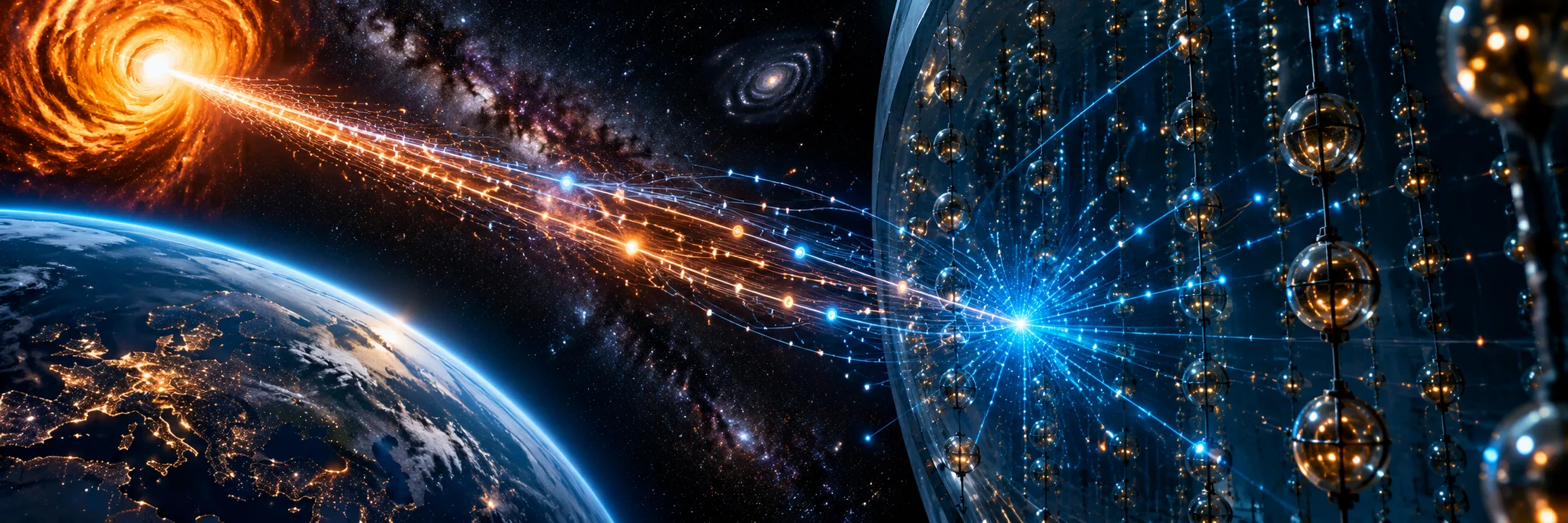
Heart and mind together change the world.
Do you nurture both equally?
Small things can sometimes make a big difference.
Just try meditating with a mosquito in the room.
If you had the power to change the world, would you do it?
And do you believe that everyone would like it?
Ever heard of quantum philosophy?
Today quantum physicists use the words consciousness, love and energy in the same sentence to explain the world.
To begin with
Neutrinos were postulated as early as the 1930s and first detected in the 1950s. They are very small, electrically neutral elementary particles that pass through everything in unbelievable numbers but hardly interact with our matter. That is why they are still difficult to detect today. According to established doctrine they were long considered massless, which made it impossible, by today’s state of technology, to accept that they could be used to generate energy. As early as the 1990s, however, universities began to study neutrinos more closely. In two independent, enormous experimental set-ups in Japan and Canada, neutrinos were “caught”. The results showed, so to speak in passing, that neutrinos do have a mass, albeit a small one. These researchers and their results on the foundations of neutrino research were awarded the Nobel Prize in Physics at the end of 2015, which also changed the established doctrine. The use of these small, fast particles for energy generation is now recognised by a broad scientific base.
We understand that our results have in the past been viewed with scepticism, especially by the press. In the field of energy generation there are also countless players who claim to tap “clean” and “free” energy from sources beyond today’s scientific knowledge. We do not wish to speculate whether there is anything to any of these “free” energy concepts, but we would like to recall that there were times when merely demonstrating electricity would have landed you at the stake.
As fundamental research progresses, measuring methods will inevitably become more refined. We look forward to further findings, because with our comparatively modest budget we cannot carry out real fundamental research ourselves. We see the use of neutrinos as a way to provide electrical energy that is clean, safe, renewable and long-lasting. There is still a long way to go, however. In the following we will tell you about our own share in this work.
Thank you for your interest and your attention.
What are neutrinos?
Neutrinos are elementary particles that have long been known to science. They were postulated in 1933 and first detected in 1956. Neutrinos are very small, light and electrically neutral. That is why they do not affect normal matter, or only to such a small extent that it does not matter. In terms of Bohr’s atomic model: they simply whizz through the wide, empty space between the atomic nuclei and electron shells of our molecules. Because they hardly interact with normal matter at all, they were long considered massless.
Yet neutrino radiation passes through us on an unimaginable scale. Every second, billions of them hit the area of a single fingernail. What if there were a way to convert the energy of neutrinos into electrical energy, much as we capture light quanta in solar cells?
Nobel Prize and research
With the Nobel Prize in Physics awarded to Takaaki Kajita (Japan) and Arthur B. McDonald (Canada) for their research on detecting neutrinos, the long-held assumption that neutrinos have no mass is now a thing of the past. Their experiments and results, however, have been known since the 1990s. Since 2008, our researchers in Germany and Switzerland have been working specifically on the question of how the energy of neutrinos can be converted into electrical energy. Successful prototypes were produced for the first time in 2012/2013. Since then we have been concentrating on further research into the concept.
So how do we do it?
As described, neutrinos pass through our “normal” matter in unimaginable numbers. So how do we get them to interact with our neutrino collectors and thus generate electricity? This is where nanotechnology comes in. Nanotechnology makes it possible not only to produce very small particles but also very dense, coherent molecular structures – in our case of graphite. High-quality graphite consists of crystalline carbon with a hexagonal arrangement of the molecules, as indicated in the schematic drawings. If you looked at one of these crystal layers at a right angle, the layer below would appear offset against the first. Neutrinos seem to interact with this structure by letting themselves be caught as if in a mixture of hammock and trampoline. Some are only slowed down at first, others are caught straight away, releasing their kinetic energy, which can be tapped as electrical energy.
We now work with a highly compressed form of graphite. The vast majority of neutrinos still pass through untouched. Thanks to the enormous total number, however, even the small percentage of captured particles already contains enough energy to demonstrate the concept and even to show a meaningful use for small, mobile devices. In figures and images: we reduce the spacing of the graphite structures to a 500th to a 1,000th. Before, a neutrino compared to a graphite ring is as small as a mosquito compared to an elephant. Afterwards, with our graphite, the proportions look different, and the elephant is no longer dealing with just one mosquito...
Outlook
To be clear: this technology is still at the very beginning. At the moment one can at most guess what neutrino power plants may mean for humanity in the future. Today’s renewable energies have the often-lamented drawback that their output fluctuates and depends on light and weather. Neutrino power plants will not. They work evenly around the clock and, according to current knowledge, for a good 10 years at over 95% of their initial output. In a few decades, neutrino power plants could cover the energy needs of every house cellar and every electric car. In the long run they could make storage technologies superfluous. Off-grid deployments in crisis regions could provide electricity and clean water. We dare to compare what neutrino technology could mean for the Earth with the discovery of electricity itself. But as we said, this technology is still at the very beginning. So far we can demonstrate that it is possible in principle to generate electrical energy from neutrino radiation. In the coming years there will first be applications for small electrical devices whose power requirement is manageable. In combination with special fuel cells and storage technologies, we are also considering a demonstration in electric vehicles. Optimising efficiency, durability and, not least, economic affordability will also depend on and benefit from fundamental university research.
What happens next?
If we have been able to spark a little interest, we are delighted. Perhaps you would like to sign up for our newsletter?
Neutrino Energy Group
Projects of the Neutrino Energy Group
Based on neutrinovoltaics, the Neutrino Energy Group is developing several applications – from a power generator for homes and disaster relief to concepts for cars, ships and aircraft.
-

Prototype development
Neutrino Power Cube
A fuel-free power generator in cabinet format that is designed to supply electricity around the clock without a grid connection.
Design target: 5–6 kW continuous output at around 50 kg
More on neutrino-energy.com about Neutrino Power Cube (opens in a new tab) -
Concept and design phase
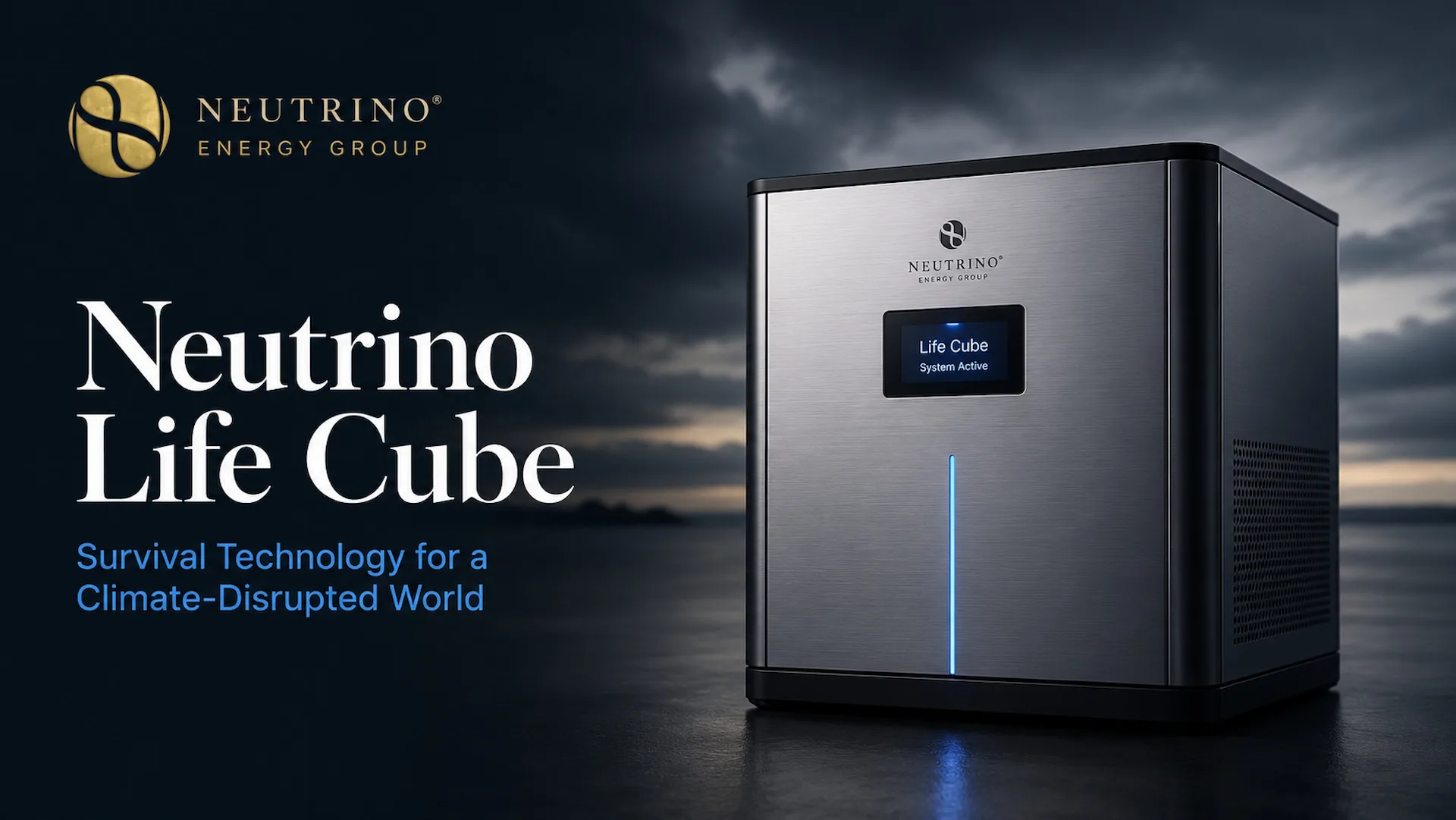
Neutrino Life Cube
Combines power generation, climate control and drinking water from the air – intended for disaster relief and off-grid locations.
Design target: 1–1.5 kW and 12–25 litres of water per day
More on neutrino-energy.com about Neutrino Life Cube (opens in a new tab) -
In development
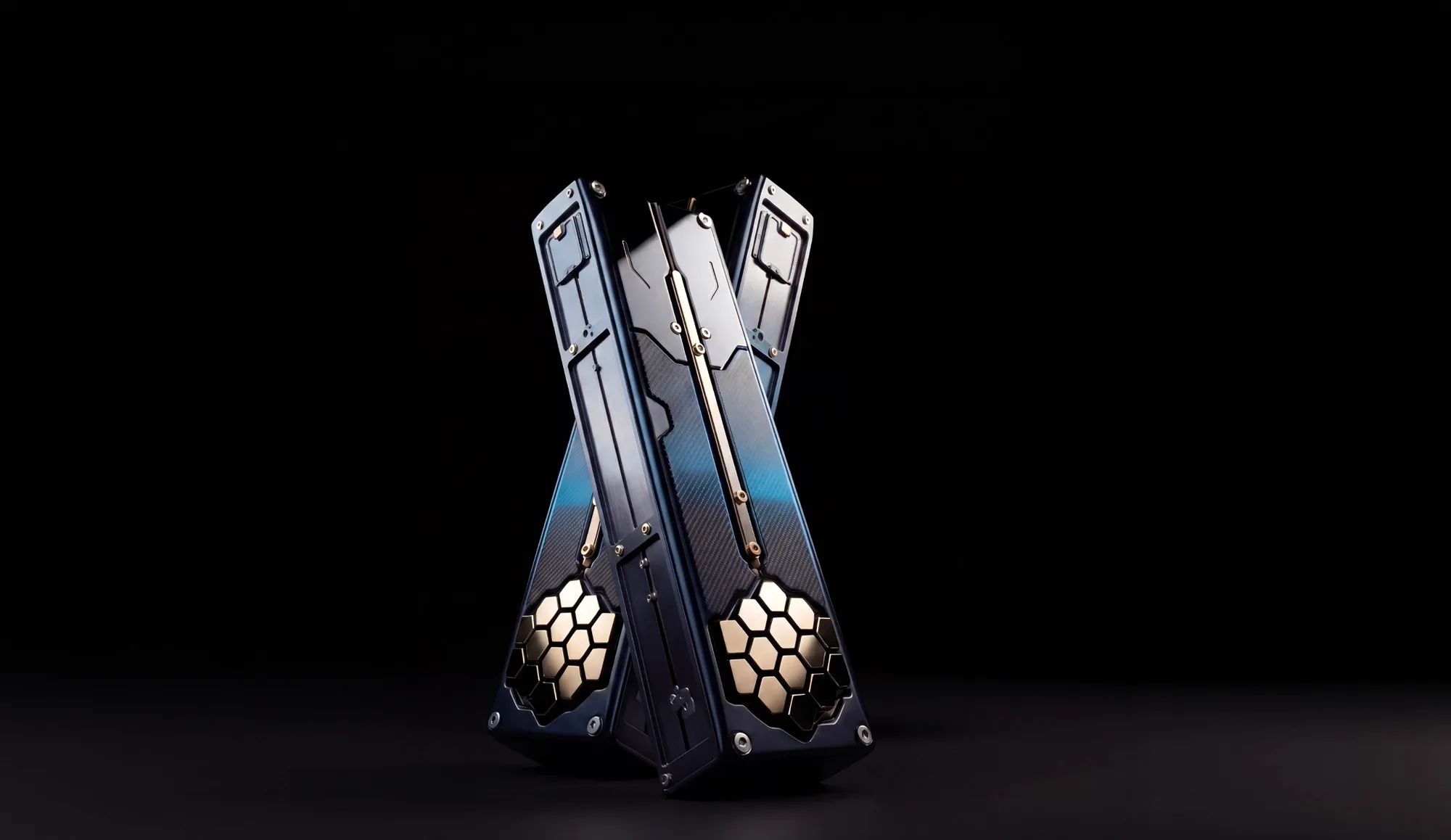
Pi Catalyst
An energy module for electric cars designed to convert ambient radiation and vehicle motion into electricity – while driving and when parked.
Goal: fewer charging stops and more range
More on neutrino-energy.com about Pi Catalyst (opens in a new tab) -
Concept phase
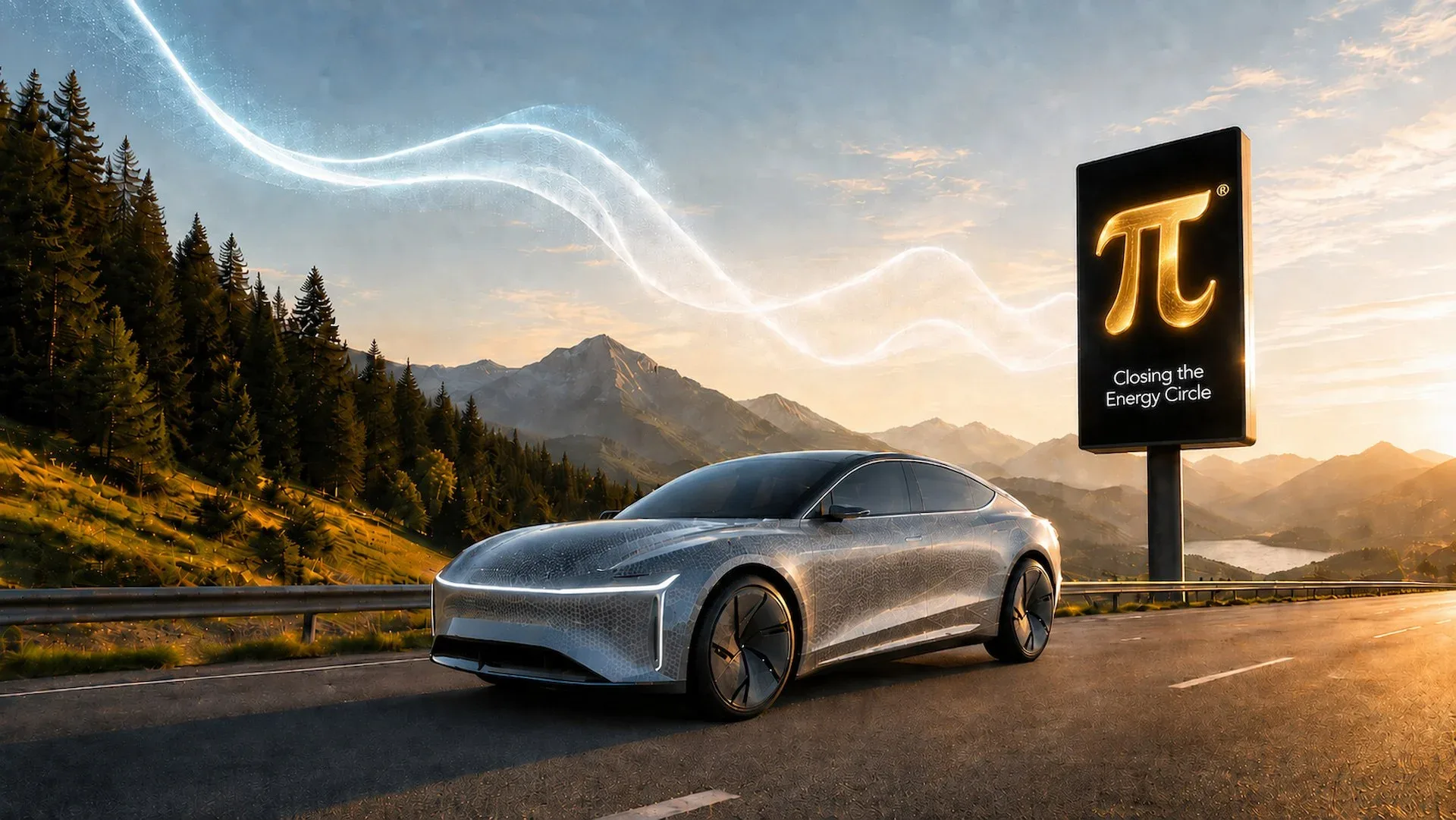
Pi Car
An electric car concept whose body panels carry neutrinovoltaic material and are meant to keep recharging the battery.
Design target: up to 100 km of range per hour parked outdoors
More on neutrino-energy.com about Pi Car (opens in a new tab) -
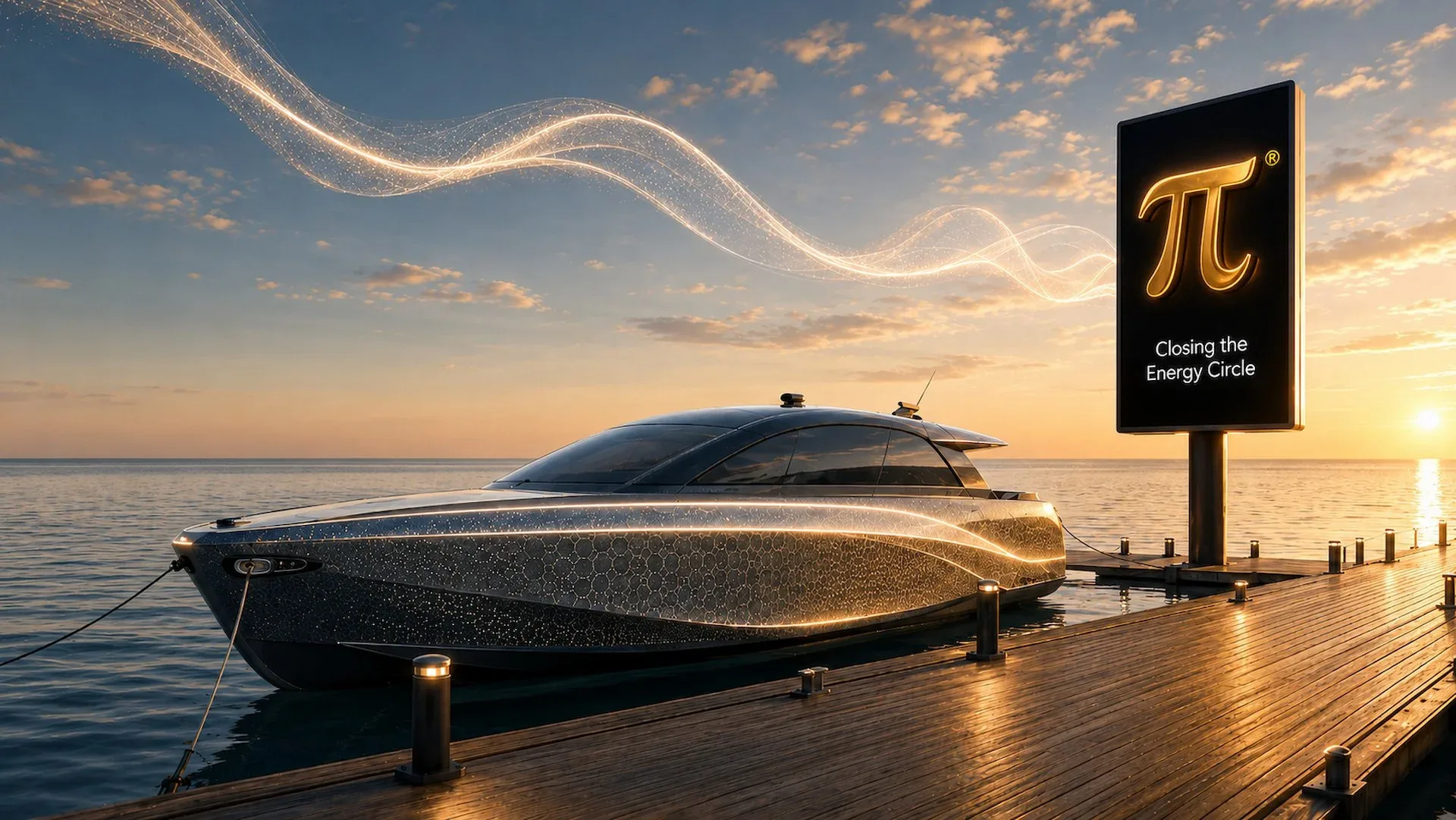
Early concept phase
Nautic Pi
Explores neutrinovoltaic material in ship hulls to enable long voyages at sea without fuel.
Goal: emission-free voyages without refuelling
More on neutrino-energy.com about Nautic Pi (opens in a new tab) -
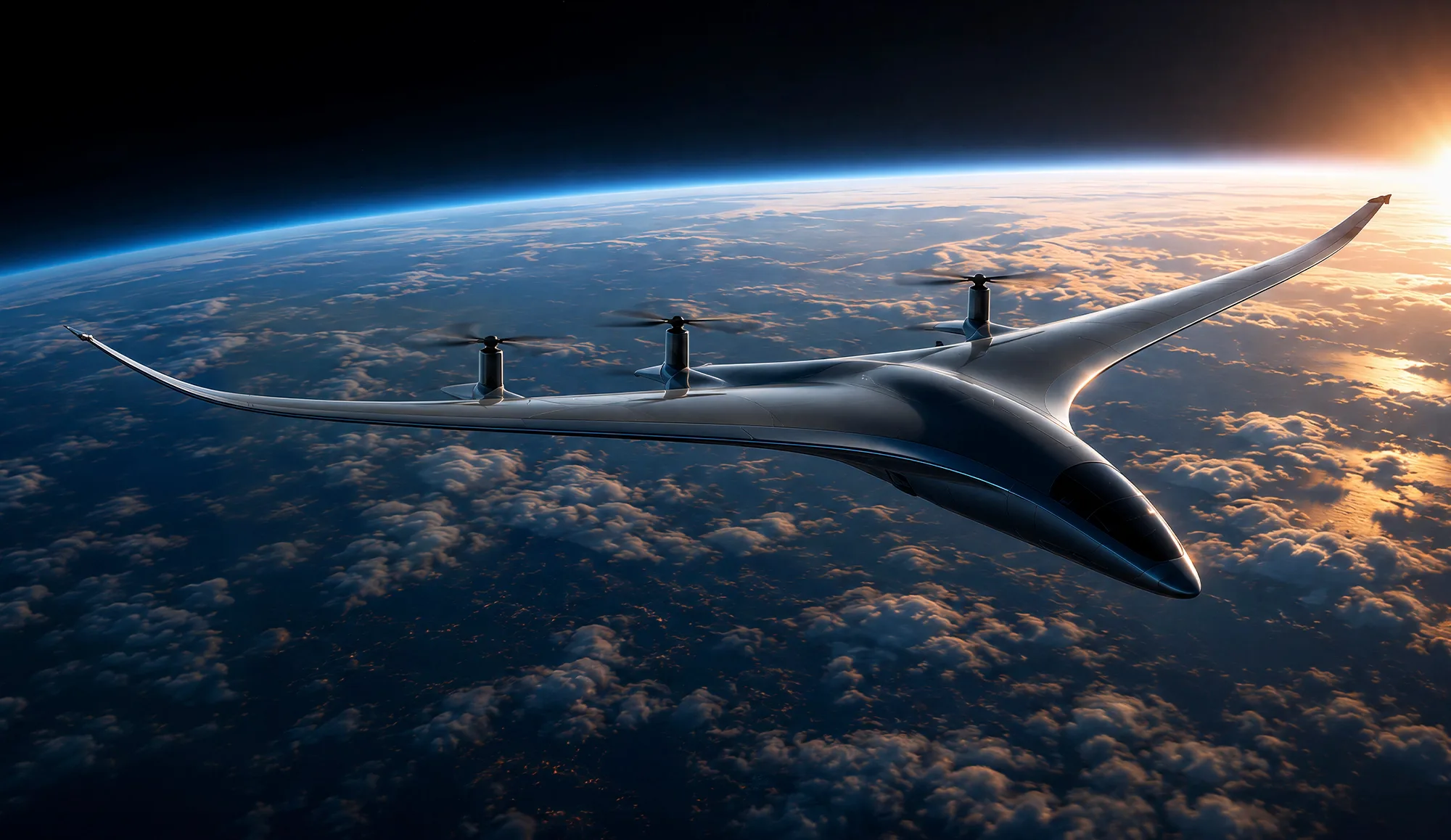
Early concept phase
Pi Fly
Explores neutrinovoltaic surfaces on wings and fuselage so that drones and light aircraft can stay in the air longer.
Goal: longer flight time without fuel or charging stops
More on neutrino-energy.com about Pi Fly (opens in a new tab)
Images: Neutrino Energy Group
Model
The Schubart Master Formula
With the Schubart Master Formula, Holger Thorsten Schubart describes how much electrical power a neutrinovoltaic material is meant to obtain from ambient radiation. The Neutrino Energy Group published it in 2024.
The power P results from the efficiency and the volume integral of the effective radiation flux density and the effective scattering cross-section . The extended form includes five quantities: radiation flux density, scattering cross-section, momentum transfer, phonon velocity and conversion efficiency.
The formula is a model of the Neutrino Energy Group. According to the group itself, independent full-scale confirmation is still pending.
Knowledge
Questions and answers
The most important questions about neutrinos and neutrinovoltaics – answered briefly, with sources.
What is a neutrino?
An electrically neutral, extremely light elementary particle from the lepton family. It interacts only through the weak nuclear force and gravity and therefore passes through almost all matter: every second, roughly 100 trillion neutrinos stream through the human body, most of them from the Sun.
Source: neutrino-energy.com – What is a neutrino? (opens in a new tab)
Do neutrinos have mass?
Yes, albeit a tiny one. Neutrinos were long considered massless. Takaaki Kajita (Super-Kamiokande, Japan) and Arthur B. McDonald (Sudbury Neutrino Observatory, Canada) showed that neutrinos change their type as they travel – which is only possible with mass. Both received the 2015 Nobel Prize in Physics for this.
Source: neutrino-energy.com – Do neutrinos have mass? (opens in a new tab)
How are neutrinos detected?
With very large detectors, because neutrinos interact with matter only extremely rarely. The IceCube Neutrino Observatory at the South Pole uses the Antarctic ice for this: light sensors deep in the ice record the faint flashes of light produced when a neutrino does collide with matter. This is how high-energy neutrinos from outer space were detected. Francis Halzen (University of Wisconsin–Madison), who proposed IceCube, received the 2026 Nobel Prize in Physics for this.
Source: nobelprize.org – How are neutrinos detected? (opens in a new tab)
What is neutrinovoltaics?
A research approach of the Neutrino Energy Group: part of the constant, invisible energy flux around us – neutrinos, cosmic radiation, electromagnetic waves and thermal fluctuations – is to be converted into usable electricity. At its core is a patented layered material made of doped graphene and silicon.
Source: neutrino-energy.com – What is neutrinovoltaics? (opens in a new tab)
How does neutrinovoltaics differ from a solar cell?
A solar cell converts visible light and produces nothing at night. Neutrinovoltaics targets particles and radiation that pass through walls and are present around the clock. It is based on momentum transfer and rectification rather than the photovoltaic effect.
Source: neutrino-energy.com – How does neutrinovoltaics differ from a solar cell? (opens in a new tab)
Is this a perpetual motion machine?
No. According to the Neutrino Energy Group, it is an open system that converts energy from external sources; no law of nature is violated. It is explicitly not about “free” or unlimited energy.
Source: neutrino-energy.com – Is this a perpetual motion machine? (opens in a new tab)
Where does development stand today?
The individual physical effects are documented in peer-reviewed papers, such as neutrino mass (Nobel Prize 2015) and coherent scattering of neutrinos on atomic nuclei (COHERENT, Science 2017). The overall system is being tested internally on prototypes; according to the company, an independent measurement is still pending. A finished product is not yet available.
Source: neutrino-energy.com – Where does development stand today? (opens in a new tab)
Scientific foundations
The Neutrino Energy Group names entries 01 to 05 as the basis of its work; the full list is available on neutrino-energy.com. Entry 06 adds the 2026 Nobel Prize in Physics, entry 07 the Schubart Master Formula.
- Patent WO2016142056A1 “Material compound for converting invisible radiation”, inventor: Holger Thorsten Schubart, filed on 10 March 2016 (opens in a new tab)
- T. Kajita: Nobel lecture on the discovery of atmospheric neutrino oscillations, 2015 (opens in a new tab)
- A. B. McDonald: Nobel lecture on the Sudbury Neutrino Observatory, 2015 (opens in a new tab)
- D. Akimov et al. (COHERENT): first observation of coherent elastic neutrino-nucleus scattering, Science 357, 2017 (opens in a new tab)
- P. M. Thibado et al.: current from thermal motion in freestanding graphene, Physical Review E 102, 2020 (opens in a new tab)
- Nobel Prize in Physics 2026: Francis Halzen for decisive contributions to the IceCube Neutrino Observatory and the discovery of high-energy neutrinos of astrophysical origin (opens in a new tab)
- H. T. Schubart: Schubart Master Formula of neutrinovoltaics, Neutrino Energy Group, 2024 (opens in a new tab)